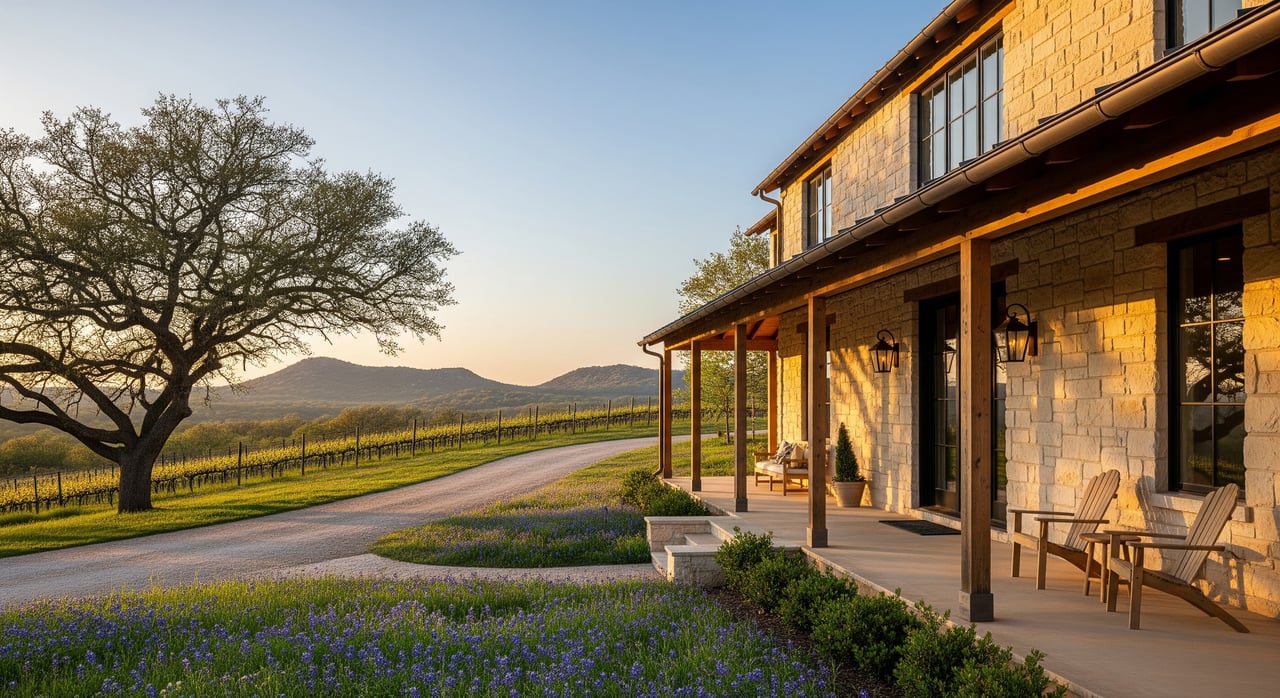
Thinking about trading weekend getaways in Fredericksburg for full-time life? If you love the Hill Country feel, walkable Main Street charm, and easy access to wineries and outdoor trails, you are not alone. Moving here is different from visiting for a few days, though, and it helps to know what day-to-day life looks like. In this guide, you will learn about housing options, commute realities, schools, services, and how tourism shapes your week. Let’s dive in.
Where Fredericksburg fits
Fredericksburg sits in the Texas Hill Country as the county seat of Gillespie County. It serves as a small city hub for tourism, retail, healthcare, and services that support the wider rural area. You are roughly a 1.5 hour drive to Austin and about 1.25 hours to San Antonio, depending on traffic and route. For commercial flights, residents typically drive to Austin-Bergstrom or San Antonio International; the local municipal airport supports general aviation.
Housing and neighborhoods
Fredericksburg’s housing feels diverse for a small market. You will find historic cottages, early Hill Country bungalows, newer subdivisions, and rural acreage with big views. A meaningful number of homes operate as short-term rentals, which can reduce long-term rental supply and shape pricing.
Downtown living
The historic core near Main Street blends preserved German and early Hill Country architecture with mixed commercial and residential use. It is very walkable, with galleries, bakeries, tasting rooms, and restaurants steps away. Expect historic preservation guidelines to influence any exterior changes.
Near-downtown classics
Neighborhoods just outside the core offer older homes, cottages, and infill renovations. You get a quieter residential feel while staying close to shops and dining. Buyers often seek properties with character, and many hire contractors who understand Hill Country stone, metal roofs, and period details.
Newer subdivisions and planned communities
Newer areas around town lean toward single-family ranch-style or modern homes, some with larger lots and gated entries. These neighborhoods typically provide more parking and easier access to major roads. They appeal to buyers who want lower-maintenance living compared with historic properties.
Rural acreage and ranch properties
Outside city limits, you will find acreage for privacy, views, and room to spread out. Many rural parcels rely on wells and septic systems, so inspections and utility planning are important. This lifestyle suits owners who value space, night skies, and flexible land use.
Short-term rentals as a market factor
Fredericksburg’s tourism economy supports a large supply of vacation rentals. That can tighten long-term rental availability and affect purchase competition near downtown and scenic corridors. If you want to operate a short-term rental, confirm city rules and any HOA restrictions before you buy.
Market realities
Demand from retirees, second-home buyers, and remote workers has pushed Hill Country prices higher than many rural Texas areas. Inventory can be tight, especially close to Main Street and in sought-after view corridors. Many buyers work with a local agent to watch off-market opportunities and act quickly when the right home appears.
If you plan to renovate or rent, keep these tips in mind:
- Historic preservation standards can shape what you can change on downtown properties. Review guidelines before you design improvements.
- Zoning and short-term rental regulations vary between city and county areas, and HOAs may have their own rules. Verify requirements early.
- Choose architects and builders familiar with Hill Country materials and climate to preserve value and reduce maintenance.
Daily essentials and services
Day-to-day living is well supported. Downtown offers specialty shops, bakeries, and restaurants for quick errands or a night out, while larger grocery and chain services sit along major roads. Most residential areas require a car, though the core is very walkable. For specialized goods or big-box items, many locals make occasional trips to larger nearby cities.
Schools and family life
Fredericksburg Independent School District serves the area with the close-knit feel you expect in a small district. Families should review Texas Education Agency school report cards and speak directly with campuses about academic programs and extracurriculars. Private and alternative school options are more limited than in big metros, and some families consider nearby towns for specialized programs. Quality childcare exists, but waitlists can happen, so plan ahead.
Healthcare access
Fredericksburg has a community hospital and clinics for primary care, urgent care, and some specialty services. For advanced or highly specialized care, most residents travel to San Antonio or Austin. Emergency response is typical for a small city, with longer transport times for major hospital services compared with a metro.
Internet and utilities
Broadband coverage varies by neighborhood. Downtown and newer subdivisions are more likely to have cable or fiber, while rural parcels may rely on fixed wireless or slower DSL. If you work from home, verify service providers and speeds at your exact address before you sign a contract. Inside city limits you typically have municipal utilities; rural properties often use wells and septic systems, which adds maintenance and inspection steps during due diligence.
Culture, food, and wine
Fredericksburg’s German heritage is easy to see and taste. You will find bakeries, wursts, and historic architecture woven into everyday life. The arts scene includes galleries, local theater, maker shops, and museums, with the National Museum of the Pacific War as a major anchor downtown. Dining ranges from casual Hill Country staples to upscale, and the wine culture is a defining feature with tasting rooms throughout the area.
Outdoor life in the Hill Country
If you love the outdoors, you will have plenty to do. Enchanted Rock State Natural Area is a top pick for hiking, climbing, and stargazing. Nearby parks like Pedernales Falls and Lyndon B. Johnson State Park offer trails, river access, and history. Weekends and holidays can be crowded, so many locals go early in the morning or plan weekday trips.
Tourism in daily life
Tourism drives the economy and shapes your routine. Weekends, wine festivals, Oktoberfest, and wildflower season bring heavy foot traffic, limited parking, and busy restaurants. Many residents schedule errands early, dine on weeknights, or book reservations ahead when guests are in town. The upside is a thriving small-business community and year-round events that keep the calendar interesting.
Work, commute, and remote options
Local jobs cluster in tourism and hospitality, retail, healthcare, education, and small professional services. Corporate roles and dense tech jobs are less common, which is why many full-time residents telecommute or commute to regional centers. Expect longer drives for specialized services or certain positions, and be mindful that traffic on Hill Country routes can spike during peak visitor seasons. Remote workers should prioritize addresses with reliable high-speed internet and cell coverage.
Costs and taxes
Texas has no state income tax, which helps many households, but the state relies heavily on property taxes. Housing costs in Fredericksburg are often higher than in nearby rural counties due to tourism demand and limited inventory. Desirable locations near downtown or on hilltop view lots can come with a premium. Everyday expenses like groceries and services are in line with other small Texas cities, while specialty or luxury items may cost more in a tourist market.
Safety and weather
Fredericksburg carries a small-town feel. As with many tourist areas, property crime can rise near busy spots, so standard precautions are wise. Summers are hot with periods of extreme heat, winters are generally mild with occasional freezes. Localized flooding can occur near creeks after heavy rain, and rural properties should plan for fire safety during dry seasons.
Move-ready checklist
Use this quick list to smooth your move:
- Confirm internet providers and speeds at your address, especially if you work from home.
- Review city zoning, permit processes, and short-term rental rules, plus any HOA restrictions.
- For rural homes, verify well and septic condition, water rights if applicable, and ongoing maintenance costs.
- Check Fredericksburg ISD and TEA reports for school performance and program fit for your family.
- Map your weekly drives and realistic commute times to Austin or San Antonio when needed.
- Budget for property taxes and consider how seasonality might affect your parking, dining, or guest visits.
Is Fredericksburg right for you?
If you want a slower pace, a walkable historic core, access to wineries and trails, and a community that values local businesses and events, Fredericksburg can feel like home. You trade big-city nightlife and a wide corporate job base for small-town connection, outdoor access, and a strong sense of place. With the right address and a clear plan for schools, internet, and commuting, you can settle in smoothly and enjoy the best of the Hill Country.
If you are weighing neighborhoods, acreage vs. in-town living, or short-term rental rules, let a local guide make it easier. Reach out to Krista Duderstadt for a friendly, no-pressure conversation about your plans and the properties that fit your life.
FAQs
Is Fredericksburg a good place for remote workers?
- Yes, if you verify broadband at your exact address. Downtown and newer neighborhoods are more likely to have cable or fiber, while rural parcels may rely on fixed wireless or DSL.
How does tourism affect daily errands in Fredericksburg?
- Weekends, festivals, and wildflower season are busiest, so locals often run errands early, book dining ahead, or choose weeknights for restaurants and tastings.
What should I know about short-term rental rules in Fredericksburg?
- Rules differ between city and county areas and can be affected by HOA covenants. Check city ordinances and permit requirements before you buy a property to rent.
How far is Fredericksburg from major airports for travel?
- Plan for about 1.5 hours to Austin-Bergstrom and about 1.25 hours to San Antonio International, depending on route and traffic.
What utilities should I plan for on rural homes near Fredericksburg?
- Many rural properties use wells and septic systems. Budget for inspections, ongoing maintenance, and water rights considerations where applicable.