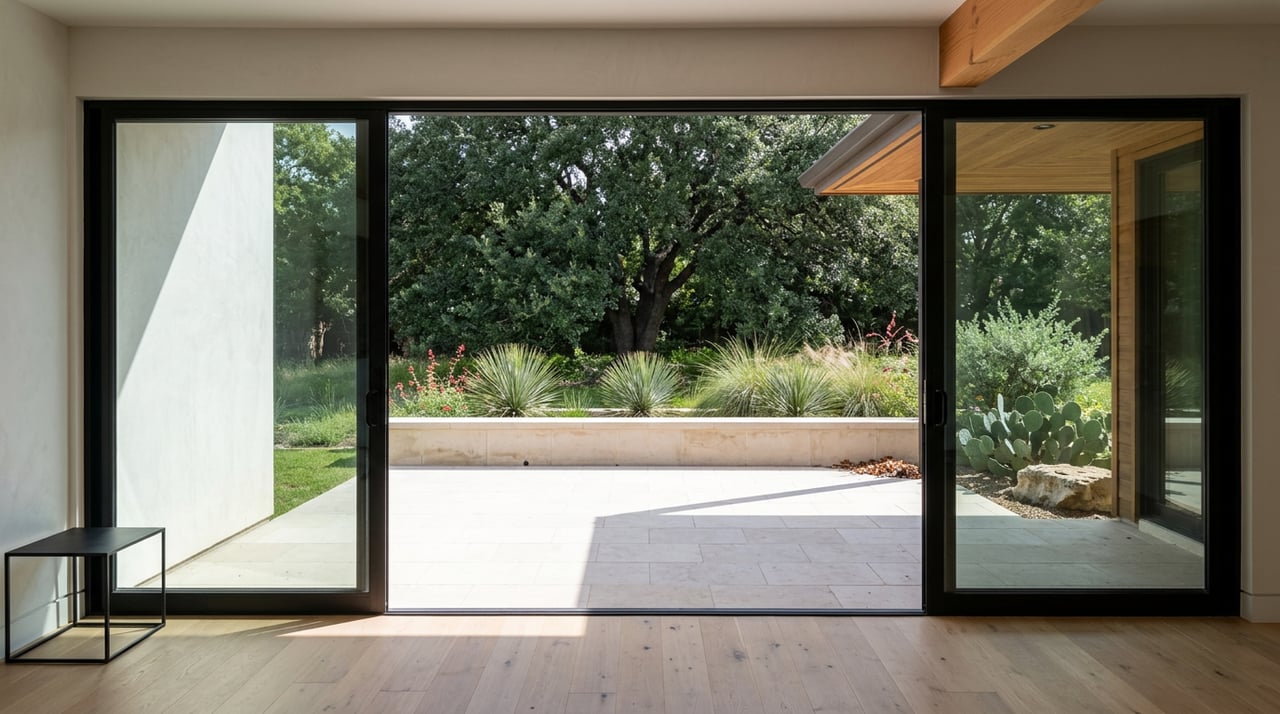
Are you picturing morning coffee on Main Street or starry nights on your own slice of Hill Country? If you are choosing between an in-town Fredericksburg home and nearby acreage in Gillespie County, you are not alone. Each option offers a distinct lifestyle, cost profile, and set of rules that can shape your day-to-day and long-term returns. In this guide, you will learn the key tradeoffs, typical costs, local permitting basics, and investor considerations so you can move forward with confidence. Let’s dive in.
Lifestyle: convenience vs. space
Living in town centers your daily life around Main Street conveniences. You get quick access to retail, restaurants, medical services, grocery runs, and more reliable wired internet options. If you value walkability and short errand times, this path often fits.
Owning Hill Country acreage gives you privacy and room to spread out. Many buyers want space for gardens, a shop, horses or livestock, and big-sky sunsets. It also brings more land care, infrastructure planning, and address-specific service availability.
Cost snapshot: in-town vs. acreage
Purchase prices today
Portal medians vary by method and time window, but a quick reference helps. Zillow’s home-value index shows typical Fredericksburg values in the low-to-mid $500,000s. See the current snapshot on the Zillow Fredericksburg home-value index. (source)
For acreage, listing portals show a wide spread by parcel size and location. Public listings in Gillespie County often range around 30,000 to 55,000 dollars per acre, with close-in tracts, big views, or added improvements commanding more. Explore current listing trends on the Gillespie County page at Land.com. (source)
Prices shift with inventory and features, so use these as a range and confirm current locals-only data through the MLS when you get serious about a property.
Ongoing costs you should plan for
In town, you typically have municipal water, sewer, and garbage collection, smaller yards, and easier contractor access. Annual land maintenance is usually lower.
On acreage, expect more planning and variable expenses:
- Water well and pump: depth and rock conditions drive cost. Across Texas Hill Country sources, owners often budget a five-figure line item for drilling and setup. Local quotes are essential for the exact parcel.
- Septic systems: typical installs range from about 6,000 to 20,000 dollars depending on site conditions and whether the system is conventional or aerobic. See a Texas homeowner overview of septic system costs. (source)
- Fencing: materials and terrain can push this into a notable investment. Budget for tens of dollars per linear foot and add for gates or wildlife specs.
- Brush management and wildfire mitigation: initial mechanical clearing can run in the low thousands per acre depending on terrain and goals. Plan for ongoing fuel reduction and defensible space.
- Service access: rural jobs often include travel fees and longer timelines. Even small repairs can cost more than in town.
Services and connectivity
Water, sewer, and trash
Most in-town properties connect to city utilities, which simplifies daily life and reduces upfront infrastructure. Many rural addresses rely on a private well and an on-site sewage facility. Permits and inspections for septic systems run through the Gillespie County OSSF office, and well registration or permits are managed by the local groundwater district. Check the county’s OSSF and well resources before you buy. (source)
Internet and power
In town, you have better odds of wired broadband, including cable or fiber in many neighborhoods. On acreage, internet is address-specific. Some parcels rely on satellite or fixed wireless for home internet. You can scan options by address using the national broadband availability map. (source)
If you work from home or stream often, verify internet options for the exact parcel before you write an offer.
STR and investor lens
Rules that shape returns
Fredericksburg requires short-term rental permits inside city limits, with registration, inspections, and hotel occupancy tax remittance. Rules differ in the city’s ETJ and the unincorporated county, so confirm whether a property is in the city, ETJ, or county before you buy. Review the city’s short-term rental page and permit details. (source)
The combined lodging tax burden reaches about 13 percent in the area, made up of state plus local components. That number matters in cash-flow assumptions and price setting. The local partner guidance outlines remittance rules and contacts. (source)
Demand trends
Fredericksburg is a tourism-driven Hill Country hub with strong visitor demand and ongoing hospitality investment. City reports show millions in lodging tax collections, which signal steady overnight traffic that can support well-managed STRs in the right locations. Read about the city’s tourism-driven finances and investments. (source)
Remember that returns vary with seasonality, competition from new hotels, and compliance costs. Underwrite with realistic occupancy and an allowance for maintenance, refreshes, and platform fees.
Taxes, valuations, and risk
Property tax mechanics
The county publishes a base county tax rate that feeds into your total bill. Your final rate depends on where the property sits and which jurisdictions apply. Inside city limits, add city and other special districts. In the county, add school district and any relevant districts. Always request a parcel-specific estimate from the appraisal district for a clearer monthly number.
Agricultural valuation (1-d-1)
If you want to use rural land for qualifying agricultural or wildlife management activities, the state’s 1-d-1 open-space appraisal can significantly reduce the taxable value. Eligibility, documentation, and rollback rules apply, so discuss timing and use history early. Review the Texas Comptroller’s guidance on agricultural and wildlife appraisals. (source)
Wildfire exposure and insurance
Parts of the Hill Country carry active wildfire risk, and Gillespie County has seen large recent fires. Exposure can affect insurance availability and premiums, and it may influence your land management plan. Ask for a parcel’s fire history, confirm defensible space, and obtain quotes early. Local reporting on the Crabapple Fire underscores why this step belongs on your checklist. (source)
Day-to-day living: what it feels like
In-town Fredericksburg
- Fast access to Main Street restaurants, shops, and services.
- Municipal utilities simplify ownership.
- Smaller outdoor spaces and lower routine maintenance.
- Strong appeal to retirees, local professionals, and second-home owners who value convenience.
Hill Country acreage
- Privacy, room for projects, and the option for livestock or gardens.
- More planning for wells, septic, fencing, and vegetation management.
- Address-specific internet and longer service response times.
- Lifestyle buyers often prioritize views, water, and usable building sites.
A quick decision checklist
Use this to pressure-test your fit. Which column do you check more often?
- Budget and carrying costs: Smaller in-town lots can be easier on monthly costs. Acreage can add well, septic, brush work, and sometimes higher insurance.
- Time and maintenance: Prefer short mow-and-go upkeep? Go in town. Enjoy tractor work and pasture care? Acreage fits.
- Utilities: Want municipal water, sewer, and trash pickup? In town. Comfortable managing a well and septic? Acreage.
- Internet needs: Heavy remote work or streaming? In town usually offers easier wired options. On acreage, verify address-level service and performance.
- Wildfire risk tolerance: In-town lots often require smaller defensible space. Acreage may need larger buffers and ongoing mitigation.
- STR plans: Inside city limits, expect a defined permit process and tax remittance. In the ETJ or county, rules differ, so confirm the jurisdiction before you underwrite.
- Resale horizon: Acreage often has a narrower buyer pool and can take longer to sell. In-town homes can trade faster due to broader demand.
- Special valuations: Planning agriculture or wildlife management? Research 1-d-1 early to avoid missing deadlines or triggering rollback taxes.
- Access and restrictions: Confirm road maintenance responsibility, easements, and any deed restrictions that shape your plans.
- Due diligence timeline: Build in time for septic site evaluation, well feasibility or drill logs, STR checks, and firm insurance quotes.
Which choice fits you right now?
Choose in-town Fredericksburg if you want to simplify your day-to-day, cut drive times, and tap into a vibrant dining and retail scene. The convenience and strong visitor economy can also support an STR play if you follow permit rules and underwrite conservatively.
Choose Hill Country acreage if you want space, privacy, and land-based projects. You will invest more time and resources into infrastructure and maintenance, but the lifestyle and flexibility can be exactly what you are after. A careful plan for water, septic, access, and defensible space pays off from day one.
Next steps with a local guide
Your best move is to match properties to your exact lifestyle, budget, and risk profile, then verify the parcel-level details that make or break the plan. If you want a clear path forward, schedule a friendly, structured consult. With two decades of Fredericksburg and Hill Country experience, professional designations, and STR-aware guidance, I help you weigh tradeoffs, run realistic numbers, and line up the right inspections and permits before you commit. Ready to explore the right fit? Connect with Krista Duderstadt for a no-pressure game plan.
FAQs
What are the biggest differences between in-town Fredericksburg and Hill Country acreage?
- In town, you usually get municipal utilities, short drive times, and easier contractor access. Acreage adds privacy and flexibility but often requires a well, septic, more land care, and address-specific services.
How do Fredericksburg short-term rental rules work inside city limits?
- The city requires STR permits, safety inspections, and hotel occupancy tax remittance for properties inside city limits; rules differ in the ETJ and unincorporated county, so confirm the property’s jurisdiction before you buy.
What should I budget for a septic system or well on rural land?
- Septic installs typically range from about 6,000 to 20,000 dollars depending on site conditions and system type, while wells can be a five-figure line item that varies with depth and geology; always get parcel-specific quotes.
Can acreage qualify for an agricultural valuation in Gillespie County?
- Yes, if it meets state 1-d-1 open-space criteria for agricultural or wildlife management use; eligibility, documentation, and rollback rules apply, so start early with your appraisal district.
How reliable is internet on rural acreage near Fredericksburg?
- It depends on the address. Some parcels have wired options, while others rely on satellite or fixed wireless. Verify availability and performance for the exact property before you write an offer.